17 Apr 20265 Min Read
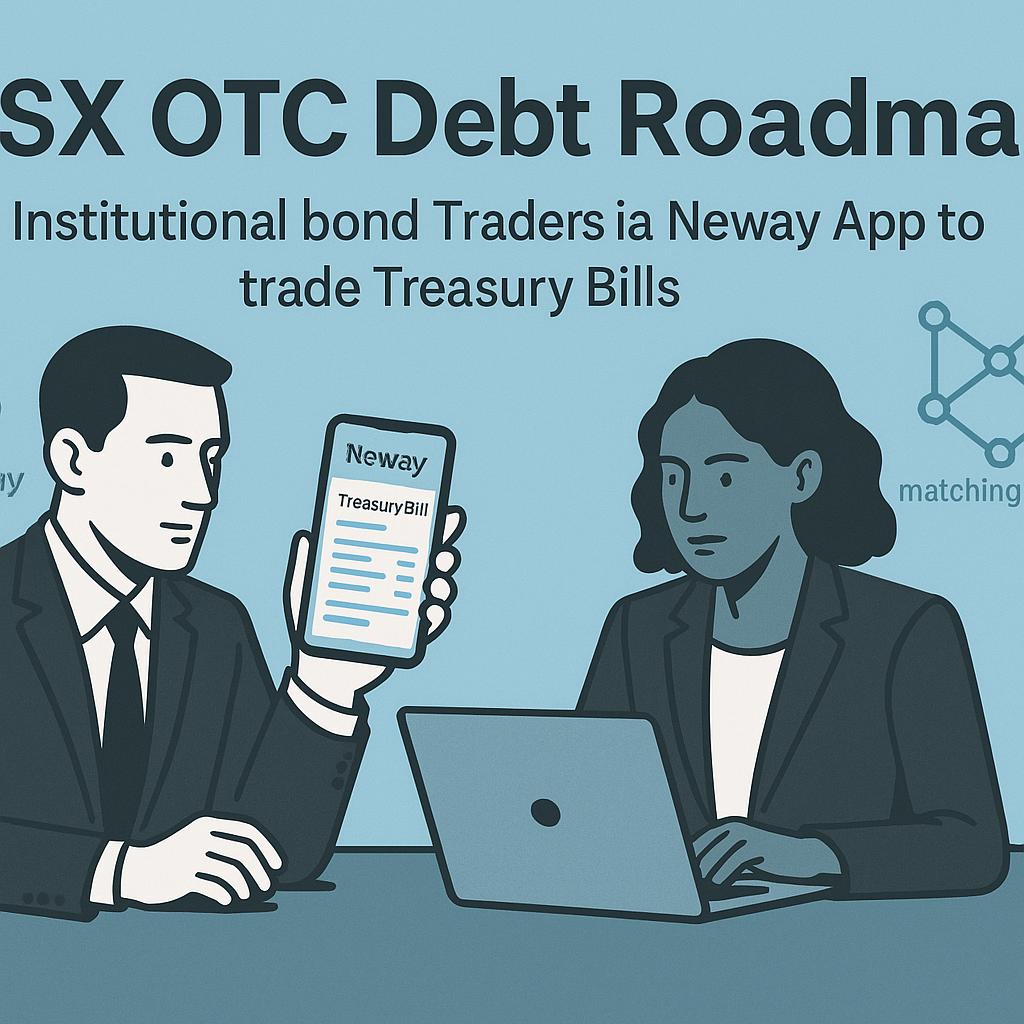
ESX OTC Debt Market: Institutional Trading Roadmap
የኢትዮጵያ ሰኩሪቲስ ኤክስቼንጅ የብድር ገበያ ፍኖተ-ካርታ
Topic: ESX OTC Debt Market Institutional Trading Roadmap
Focus: Transitioning 12 Licensed Banks from Hold-to-Maturity (HTM) to Active Secondary Trading on the Neway App.
1. Executive Overview
The Ethiopian Securities Exchange (ESX) is operationalizing its Over-the-Counter (OTC) platform to facilitate the secondary trading of fixed-income instruments. A critical component of this roadmap is migrating the 12 newly licensed banks from a static "Hold-to-Maturity" (HTM) investment model to an "Active Trading" model. This transition will be executed primarily through the Neway App, the designated digital interface for institutional and retail debt market participation.
2. Current State vs. Future State
* Current State (Hold-to-Maturity): Banks purchase Treasury Bills (T-Bills) and Corporate Bonds during primary auctions and hold them until they expire to collect interest. This practice locks up capital and limits market liquidity.
* Future State (Active Trading): Banks utilize the Neway App to buy and sell these instruments daily. This allows banks to manage liquidity in real-time, realize capital gains, and establish a market-driven yield curve.
3. Strategic Roadmap for the 12 Licensed Banks
Phase I: Onboarding & Technical Integration
* Neway App Integration: Licensed banks are integrated into the Neway ecosystem as "Trading Members."
* Institutional Portfolios: Setting up dedicated digital vaults for T-Bills and Corporate Bonds to ensure seamless settlement through the National Bank of Ethiopia (NBE) CSD system.
Phase II: Liquidity Provision (Market Making)
* Bid-Ask Spreads: Banks will transition from passive investors to liquidity providers. They will quote "buy" and "sell" prices on the Neway App for T-Bills.
* Incentivizing Volume: ESX will monitor the frequency of trades to ensure the 12 banks are actively facilitating the OTC segment rather than just holding assets.
Phase III: Portfolio Rebalancing
* Dynamic Asset Allocation: Banks will move away from fixed HTM portfolios. If a bank needs immediate cash, it sells T-Bills on the OTC market via Neway instead of waiting for maturity.
* Risk Management: Using active trading to hedge against interest rate fluctuations.
4. Key Instruments on Neway App
* Treasury Bills (T-Bills): Short-term government debt (28, 91, 182, and 364 days).
* Corporate Bonds: Long-term debt issued by state-owned enterprises or private corporations.
5. Expected Impact
* For Banks: Improved Return on Equity (ROE) through trading commissions and capital gains.
* For the Economy: A more transparent interest rate environment and a reliable source of funding for the government and private sector.
* For Investors: Retail investors can eventually participate in the debt market by buying fragments of bonds/bills from these 12 banks via the Neway App.
የኢትዮጵያ ሰኩሪቲስ ኤክስቼንጅ የብድር ገበያ ፍኖተ-ካርታ
ርዕስ፦ የኢትዮጵያ ሰነደ ሙዓለ ንዋይ ገበያ (ESX) የዕዳ ሰነዶች የንግድ ፍሰት መርሃ-ግብር
ትኩረት፦ 12ቱ ፈቃድ ያላቸው ባንኮች የዕዳ ሰነዶችን "እስከ እለት ብስለት ከመያዝ" (HTM) ወደ "ንቁ የንግድ ልውውጥ" (Active Trading) በነዋይ (Neway) መተግበሪያ አማካኝነት የሚያደርጉት ሽግግር።
1. አጠቃላይ መግለጫ
የኢትዮጵያ ሰነደ ሙዓለ ንዋይ ገበያ (ESX) ከመደበኛ ገበያ ውጭ (OTC) የሚከናወኑ የዕዳ ሰነዶች ግብይትን ይፋ አድርጓል። የዚህ መርሃ-ግብር ዋነኛ ዓላማ 12ቱ ፈቃድ ያላቸው ባንኮች የገንዘብ ሚኒስቴር ግምጃ ቤት ሰነዶችን (T-Bills) እና የኩባንያ ቦንዶችን እስከ እለት ብስለታቸው ዝም ብሎ ከመያዝ ይልቅ በየቀኑ በገበያ ላይ እንዲያገበያዩ ማድረግ ነው። ይህ ተግባር የሚከናወነው በነዋይ (Neway) መተግበሪያ በኩል ይሆናል።
2. ነባራዊ ሁኔታ እና የወደፊት ራዕይ
* ነባራዊ ሁኔታ (Hold-to-Maturity)፦ ባንኮች የግምጃ ቤት ሰነዶችን ይገዙና እስከሚበስሉ ድረስ (ለምሳሌ ለ364 ቀናት) ይይዛሉ። ይህም ገንዘባቸው ለረጅም ጊዜ ታስሮ እንዲቆይ ያደርጋል።
* የወደፊት ራዕይ (Active Trading)፦ ባንኮች በነዋይ መተግበሪያ አማካኝነት ሰነዶቹን በፈለጉት ጊዜ በመሸጥ ጥሬ ገንዘብ ያገኛሉ፤ ወይም ሌሎች ባንኮች የያዙትን ሰነድ በመግዛት ትርፍ ያገኛሉ።
3. ለ12ቱ ባንኮች የተቀመጠው የሽግግር መርሃ-ግብር
ምዕራፍ 1፦ የቴክኖሎጂ ዝግጅት
* የነዋይ መተግበሪያ ትስስር፦ ባንኮቹ እንደ "የንግድ አባላት" በመተግበሪያው ላይ ይመዘገባሉ።
* ዲጂታል አካውንት፦ እያንዳንዱ ባንክ የያዛቸው የዕዳ ሰነዶች በዲጂታል መዝገብ እንዲሰፈሩና ግብይቱ ፈጣን እንዲሆን ይደረጋል።
ምዕራፍ 2፦ የገበያ እንቅስቃሴ መፍጠር (Market Making)
* የመግዣና የመሸጫ ዋጋ ማውጣት፦ ባንኮቹ በነዋይ መተግበሪያ ላይ ለግምጃ ቤት ሰነዶች የመግዣና የመሸጫ ዋጋ (Bid-Ask Spread) በየቀኑ ያቀርባሉ።
* የገንዘብ ዝውውርን ማሳደግ፦ ባንኮች ሰነዶችን በገበያ ላይ በብዛት እንዲያዘዋውሩ በማድረግ የገበያውን ሕያውነት ያረጋግጣሉ።
ምዕራፍ 3፦ የሀብት አመዳደብን ማስተካከል
* ተለዋዋጭ ኢንቨስትመንት፦ ባንኮች ፈጣን ገንዘብ (Liquidity) ሲያስፈልጋቸው የያዙትን ቦንድ ወይም ቲ-ቢል ወዲያውኑ በነዋይ መተግበሪያ በመሸጥ ችግራቸውን ይቀርፋሉ።
* ሥጋትን መቀነስ፦ የወለድ መጠን ሲቀያየር የያዙትን ሰነድ በመሸጥ ወይም በመግዛት ኪሳራን ይከላከላሉ።
4. በነዋይ መተግበሪያ ላይ የሚገበያዩ ሰነዶች
* የግምጃ ቤት ሰነዶች (T-Bills)፦ በመንግስት የሚወጡ የአጭር ጊዜ የዕዳ ሰነዶች (የ28፣ 91፣ 182 እና 364 ቀናት)።
* የኩባንያ ቦንዶች (Corporate Bonds)፦ በመንግስት የልማት ድርጅቶች ወይም በግል ኩባንያዎች የሚወጡ የረጅም ጊዜ የዕዳ ሰነዶች።
5. የሚጠበቀው ውጤት
* ለባንኮች፦ ከግብይት ኮሚሽን እና ከዋጋ መለዋወጥ ትርፍ እንዲያገኙ ያስችላቸዋል።
* ለሀገር ኢኮኖሚ፦ ግልጽ የሆነ የወለድ ተመን እንዲኖርና መንግስትም ሆነ የግል ኩባንያዎች በቀላሉ የገንዘብ ምንጭ እንዲያገኙ ይረዳል።
* ለባለሀብቶች፦ ተራው ህዝብም ቢሆን ወደፊት በእነዚህ 12 ባንኮች አማካኝነት በነዋይ መተግበሪያ የመንግስት ሰነዶችን መግዛት እንዲችል መንገድ ይከፍታል።
© 2026 TIMONA Intelligence Hub